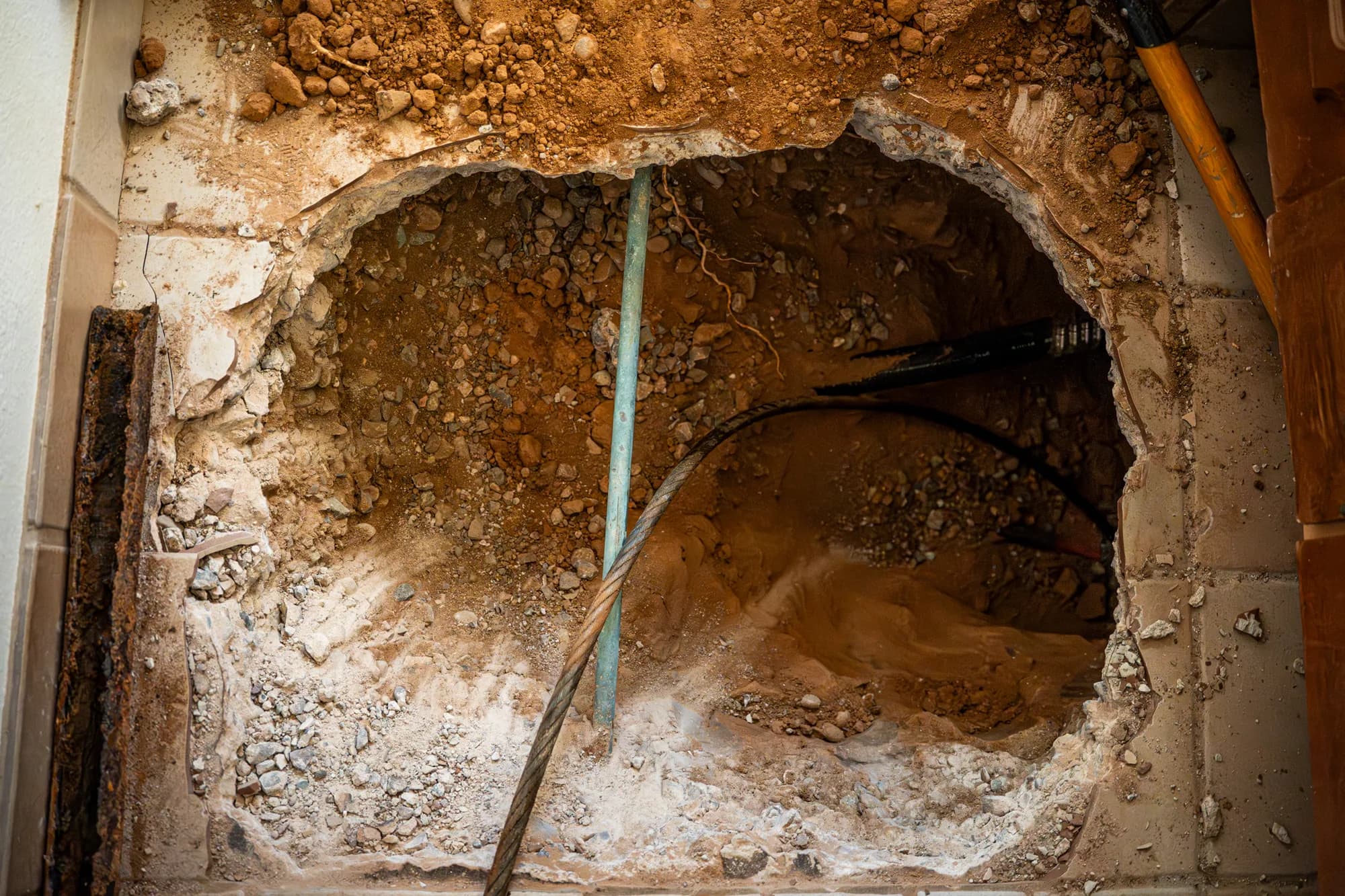
Phoenix pipes fail on their own schedule, and it's never a convenient one. A supply line lets go inside a wall, a slab leak surfaces in the hallway, a main line gives out under the yard.
This guide covers why it happens here so often, what to do in the first ten minutes, and what to expect from the repair, including the insurance part.
Why Phoenix is so hard on pipes
Four forces gang up on Valley plumbing. Hard water, at 12 to 20 grains per gallon, corrodes pipe from the inside while depositing scale that narrows it. Desert soil shifts with moisture and heat, stressing every buried joint.
Tree roots hunt the moisture inside sewer lines, especially older clay pipe. And tens of thousands of pre-1990 homes still run original galvanized steel that's simply past its lifespan.
None of this means your pipes are doomed. It means Phoenix homes reward owners who treat warning signs as deadlines instead of curiosities.
The first ten minutes
Shut off the water first. For one fixture, use the valve under the sink or behind the toilet. For anything bigger, turn the main shutoff clockwise until it stops; it's usually near the front hose bib or in a ground box by the street.
Kill the water heater next if the leak is on the hot side: breaker off for electric, dial to off for gas. Then move what water can ruin and photograph everything for the insurance claim.
Quick checklist:
- Main water valve off
- Water heater off if the hot line is leaking
- Electronics and furniture out of the water's path
- Photos and video with timestamps
- One call to a licensed 24/7 plumber
What the emergency visit looks like
Expect a real diagnosis before any repair talk. For hidden or underground failures, that means electronic leak detection or an HD camera in the line, not a guess from the driveway.
Expect the price in writing before work begins, emergency or not. And expect most targeted repairs to finish in a single visit. Larger failures, like a collapsed sewer section or a whole-home repipe, run 2 to 4 days.
Repair or replace: how the call gets made
One failure in an otherwise sound system gets repaired. Repeated failures across different areas mean the system itself is done, and patching it is renting time at a bad rate.
The honest answer comes from evidence: camera footage for sewer lines, pressure testing for supply lines. If a company recommends full replacement without showing you why, get a second opinion.
When replacement is right, qualifying jobs can finance 18 months at 0% interest, which turns a brutal surprise into a manageable monthly number.
The insurance part nobody explains
Homeowners policies often cover sudden water damage, but the burden of proof sits with you. Adjusters want the cause documented, the damage photographed, and the repair itemized.
That paperwork is easiest to capture during the repair, not after. We photograph the cause, write claim-ready estimates, and hand you a file your adjuster can process. We're not adjusters, but our documentation makes claims go smoother.
After the repair: cheap prevention
Two habits prevent most repeat emergencies. First, fix the small stuff fast; today's drip is positioned to be next month's flood. Second, if your home predates 1990 and still has original pipe, get a camera inspection and pressure check before the failure, not after.
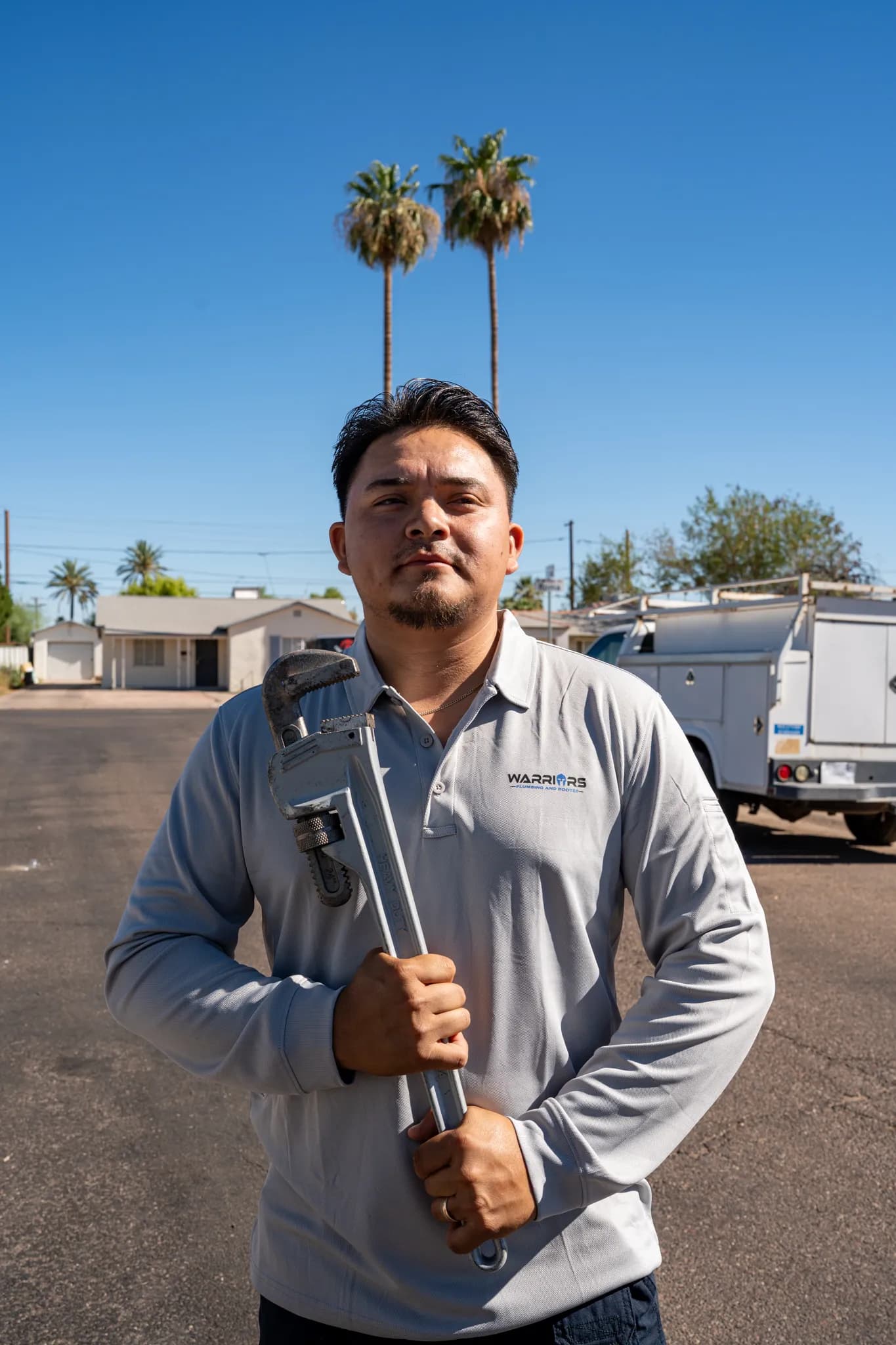
Either way, save the number: (602) 743-9591. Warriors Plumbing & Rooter answers 24/7, carries Arizona ROC #352091, and backs repairs for 15 years.